Showing posts with label community science. Show all posts

Thursday, June 19, 2025

Keeping Count of Pollinators

 
The Great Pollinator Count (Community Science Counts!) 
by Susan Edwards Richmond; illus. by Stephanie Fizer Coleman 
32 pages; ages 4-8
Margaret Quinlin Books/Peachtree, 2025

One of the things I do every summer is count pollinators for the Great Sunflower Project, a community science project that I’ve been participating in since … oh, my - 2009! So I was really, really looking forward to Susan Richmond’s newest book about pollinator counts, and she doesn’t disappoint.

Mellie and her friends are part of a science club and they’re planning to count pollinators. The science club advisor, aptly named Ms. Bombus (awesome nod to buzzy sounds and bumblebees!) pairs Mellie with a kid who loves dinosaurs and hates stinging insects. As they count, readers are introduced to honeybees and small bees, carpenter bees and bumblebees, flies and wasps and even a hummingbird moth. Back matter highlights the insects in the book and lists the flowers in the school’s pollinator garden.

Back around Earth Day, Susan joined a bunch of us for “The Fifth Annual GROG Arthropod Roundtable” where we chatted about bugs we love (and those we don’t). She talked a bit about why she wrote The Great Pollinator Count.

“Young children are eager to explore their environment and are natural scientists,” she said, adding that many children (and adults) are afraid of bees and wasps. While respect and caution are a healthy response towards stinging insects, Susan wanted folks to appreciate all pollinators, not just the butterflies. A perfect reason for writing a book … but what’s the hook?

“When I learned that Georgia conducted an annual insect pollinator census, which includes schoolchildren, I knew this would be my gateway!” What better than a pollinator count! Pollinator counts are becoming more common, and what began as a Georgia community science project, The Great Southeast Pollinator Census has now expanded to include four more states: North and South Carolina, Florida, and Alabama. 

“May this notion of promoting a healthy pollinator population continue to grow!” Susan says.     

Pollinator Week Activity: visit a flowery meadow or a garden and count the pollinators you see in 10 minutes.

Susan is a member of #STEAMTeam2025. You can find out more about her at her website at www.susanedwardsrichmond.com  

Wednesday, July 27, 2022

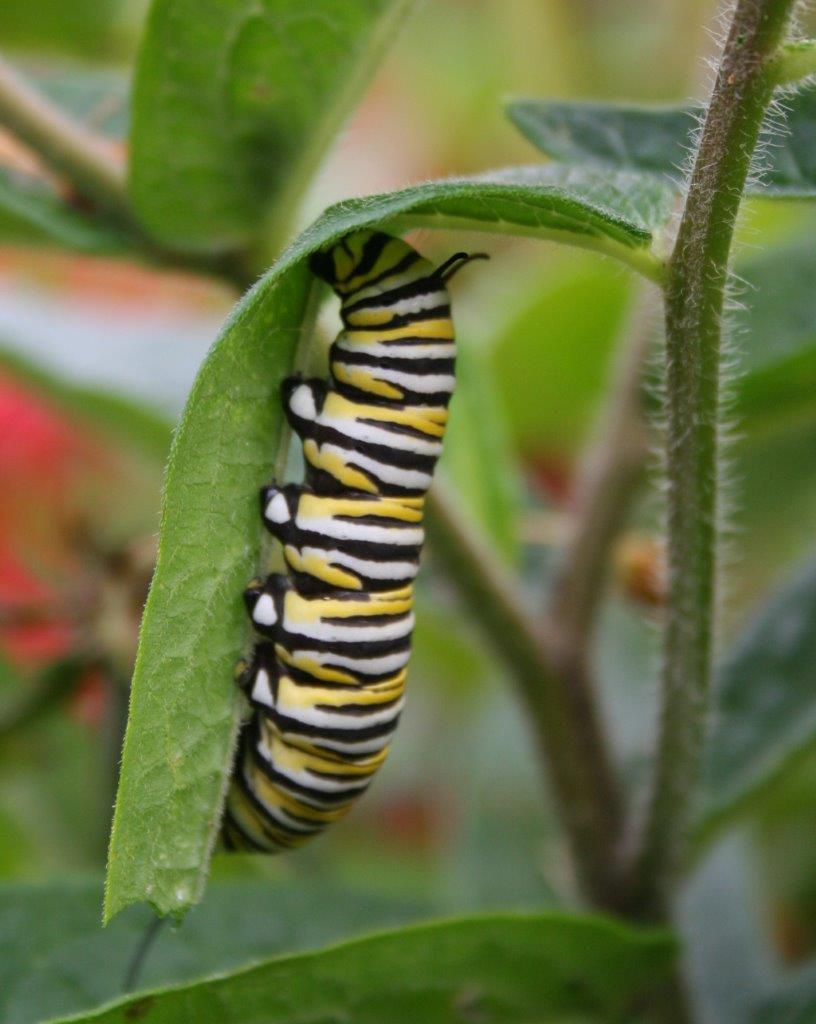
Be a Scientist ~ International Monarch Monitoring Blitz, July 29 - August 7


Got an eye for monarchs? The Xerces Society among other partners invites you to join a weeklong International Monarch Monitoring Blitz beginning this Friday, July 29. 


Volunteers help track milkweed, monarch eggs, caterpillars, and/or adults as part of a trinational effort to better understand the monarch butterfly’s breeding productivity, range, and timing in North America. 

Learn how you can participate in this community science project. Give yourself some extra time to watch training videos and read up on the projects. Then head out and do science!


Monday, May 9, 2022

In which I learn more about bumble bees…


 I love watching bumble bees in my garden – and around my yard. Especially in the spring, when the queens emerge from hibernation and begin seeking a nesting place. Bumble bees are generally so intent upon their own business that, unless you intrude, they ignore you. So you can follow them from dandelion to dandelion. Better yet, when they are busy working on a flower, you can sneak up close and watch (though they seem to sense whenever I’m about to snap a photo and buzz off).

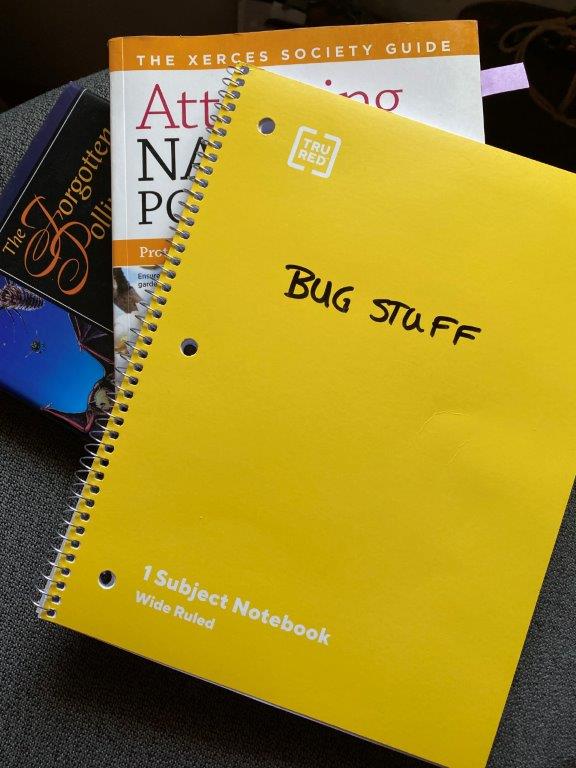
I enjoy watching bumble bees so much that I took the Bumble Bee Short Course for Community Scientists through Ohio State University this spring. I grabbed a brand-new spiral notebook, sharpened a couple pencils, and showed up to virtual class every Friday afternoon for six weeks.

After watching bumble bees for so many years, you’d think I’d know a lot more than I do! But it was fun to review bumble bee biology, and learn how to identify the bumbles in the northeastern US. Now I’ve got the Bumble Bee Watch app on my phone, so maybe identifying them will be a bit easier… at least one can hope. We also learned about endangered bees and some conservation measures. 

Here's the cool thing: the sessions are recorded. Not only that, there’s a bucket-load of bumble bee resources and a list of scientific papers and books all on the website at the OSU Bumble Bee Short Course.

This summer you’ll find me counting bumble bees (and other pollinators) for the Great Sunflower Project, as usual. But I’ll also be taking photos to submit to Bumble Bee Watch and iNaturalist whenever I come across bumble bees that aren’t camera-shy.

Get to know the bumble bees living around you:

Follow a bumble bee around. 
  • What color of flowers does she visit? 
  • How long does she stay on one flower? 
  • How many flowers does she visit before she flies away home? 
Take photos or sketch the bumble bees that live in your neighborhood. If there is a museum or university close by, see if they have a collection of local bumble bees that you can look at.